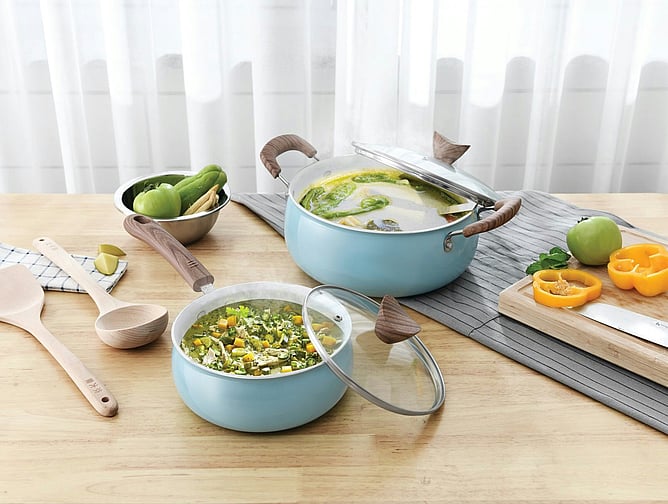
Few things are more comforting than a bubbling casserole emerging from the oven, filling the kitchen with rich aromas and promising a hearty meal ahead. Whether it's a slow-cooked beef ragu, a creamy potato gratin, a family-sized lasagna, or a simple weeknight pasta bake, a quality casserole dish is one of the hardest-working pieces of cookware in any kitchen.
But choosing the right one isn't just about picking a pretty colour that matches your kitchen towels. If your dish is too thin, your food will burn on the bottom before the middle even cooks. If it's too big, your braising liquids will evaporate too quickly, leaving you with dry meat.
At Simply Divine Kitchen, we think a casserole dish should be as functional as it is beautiful. In this guide, we’ll break down the three primary materials, how to nail the right size for your family, and what makes a dish truly transition smoothly from the stovetop to the table.
Quick Comparison: Choosing Your Casserole Material
Material |
| Best For |
| Heat Retention |
| Weight |
| Direct Stovetop Use? |
|---|---|---|---|---|---|---|---|---|
Enameled Cast Iron | Slow braises, stews, stovetop-to-oven searing | Excellent | Very | Yes (all cooktops) | ||||
Stoneware and Ceramic | Lasagnas, crumbles, reheating, gentle baking | Good | Moderate | No (oven and microwave only) | ||||
Stainless Steel | Quick weeknight bakes, high-heat searing, sauces | Medium | Light to medium | Yes (all cooktops) |
1. Enameled Cast Iron: For Ultimate Slow-Cooking
Best for: Low-and-slow braising, pot roasts, sourdough bread, and anyone wanting an heirloom piece that lasts forever.
If you enjoy slow-cooked meals that develop flavour over time, enameled cast iron is hard to beat.
Unlike thinner cookware, cast iron takes a little longer to heat up, but once it reaches temperature, it holds heat exceptionally well. This creates consistent, even cooking and helps transform tougher cuts of meat into tender, flavour-packed meals.
The enamel coating provides all the benefits of cast iron without the maintenance requirements of traditional raw cast iron. There's no seasoning required, and you can confidently cook acidic ingredients like tomatoes, wine, and citrus.
A well-made cast iron casserole dish is often a once-in-a-lifetime purchase, becoming a trusted kitchen companion for decades.
Pros:
Unrivaled heat retention - keeps food piping hot at the table for second helpings.
Suitable for stovetop, oven, and table service.
The enamel coating is durable and very easy to clean.
Cons:
Heavier than other materials.
Higher upfront investment.
Our recommendation: Le Creuset Signature Casserole

2. Stoneware & Ceramic: For Entertaining
Best for: Layered bakes (like lasagna), pasta bakes, cottage pies, roast veges, and casual entertaining.
When most people picture a traditional casserole dish, they're often thinking of ceramic or stoneware.
These dishes excel at gentle, even baking, making them ideal for layered dishes and recipes where you want beautifully golden tops and evenly cooked centres. They also retain heat well enough to keep food warm at the table throughout the meal.
Beyond their cooking performance, ceramic dishes are often chosen for their presentation value. Available in a range of colours, finishes, and shapes, they transition seamlessly from oven to table.
Pros:
Beautiful presentation for tabletop serving.
Exceptional at gentle, uniform baking with no hot spots.
Usually dishwasher and microwave-safe.
Cons:
Can’t be used on a stovetop hob - you'll need to sear meats in a separate pan first.
Vulnerable to chipping if dropped or knocked against the sink.
Our recommendation: Le Creuset Stoneware Heritage Rectangular Dish

3. Stainless Steel: For Everyday Cooking
Best for: Everyday cooking, quick meals, searing, simmering, sauces, and versatile stovetop-to-oven use.
For those who want versatility without the weight of cast iron, stainless steel is an excellent option.
These dishes combine layers of stainless steel with an aluminium core, helping distribute heat evenly across the base and sides of the cookware. The result is responsive, efficient cooking that adapts quickly when you adjust the heat.
Stainless steel is particularly useful for busy households where speed, durability, and versatility matter just as much as presentation.
Pros:
Lightweight and easy to handle
Heats up rapidly, saving you time on busy weeknights.
Highly durable - won’t chip, crack, or stain.
Cons:
Doesn't hold heat as long at the dining table compared to cast iron or stone.
Less decorative for tabletop serving.
Our recommendation: Le Creuset 3 Ply Stainless Steel Uncoated Shallow Casserole

Does Shape Matter?
Yes! While material is important, shape can also influence how your casserole dish performs.
Round Casseroles
Round casseroles are the most versatile option for everyday cooking. They're ideal for soups, curries, stews, casseroles, and one-pot meals, and typically fit stovetop burners more efficiently.
Oval Casseroles
Oval casseroles shine when cooking larger cuts of meat, such as whole chickens, lamb shoulders, or beef roasts. Their elongated shape provides more room for longer ingredients while still offering the benefits of slow, even cooking.
For most households, a round casserole is the most versatile choice, while keen home cooks often enjoy having both.
Sizing for Your Household
When choosing a capacity, it’s always best to size up slightly. Food needs room to breathe; crowding a casserole dish causes ingredients to steam rather than brown beautifully.
2 to 3 Litres (Small): Ideal for couples, side dishes, or small-batch baking.
4 to 5 Litres (Medium): The standard kitchen workhorse. Perfect for a family of four, fitting a whole chicken, or making a batch of soup with leftovers.
6 to 7+ Litres (Large): Built for large families, batch cooking, big Sunday roasts, and holiday entertaining.
Getting the Most Out of Your Cookware
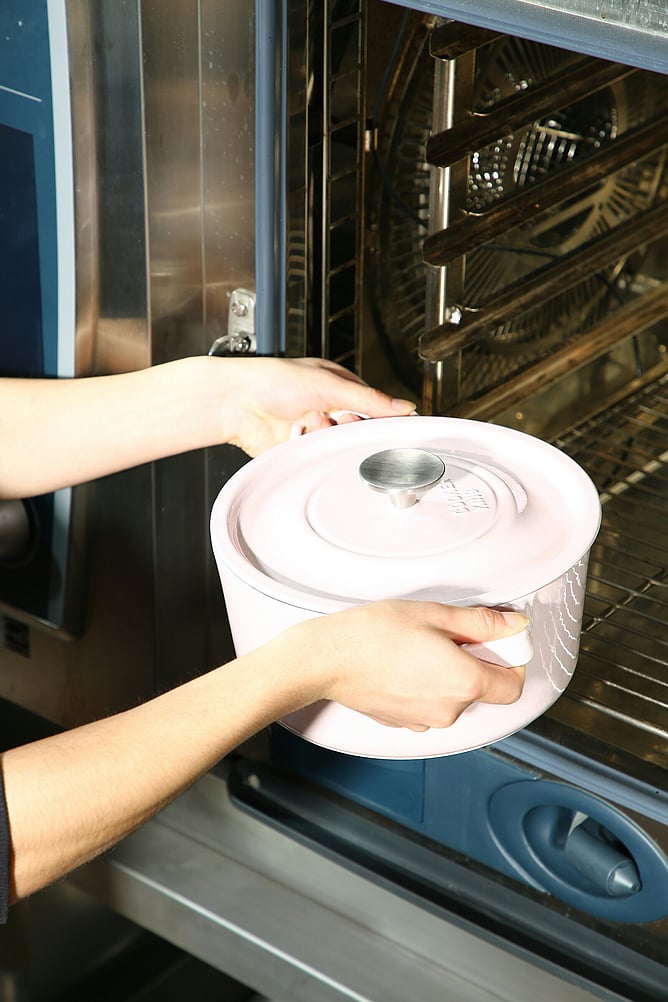
To ensure your casserole dish lasts for decades, keep these three basic rules in mind…
Temperature control
Avoid sudden temperature changes. Never pour cold water into a hot casserole dish, or place a cold dish directly onto a hot cooking surface. Allow cookware to cool naturally before washing.
Choose the right utensils
While stainless steel can handle metal utensils, enameled coatings and stoneware glazes can scratch or suffer grey metal transfer marks from steel spoons and whisks. Stick to wood or silicone to keep the interior pristine.
Cleaning
If you have baked-on cheese or stubborn, caramelised bits stuck to the bottom, don't reach for steel wool. Instead, fill the dish with warm water and a splash of dish soap, let it sit for twenty minutes, and the residue will wipe away easily with a soft sponge.
Storage
If stacking cookware, place a tea towel, pan protector, or soft cloth between pieces to prevent scratches, chips, and unnecessary wear.
Choosing Your Perfect Dish
A great casserole dish is never just a piece of cookware - it’ll also carry family dinners, winter comfort food, celebratory feasts, and recipes that become household favourites.
Whether you're drawn to the timeless performance of enameled cast iron, the beauty of ceramic, or the versatility of stainless steel, investing in quality cookware is something you'll appreciate every time you cook. Explore our carefully curated collection of casserole dishes online and discover options designed to perform beautifully for years to come.
And if you're visiting our Cambridge store, our team is always happy to help you compare materials, sizes, and styles to find the perfect fit for your kitchen.